Introduction
Why do some businesses seem to grow their email lists overnight while others struggle to capture even a handful of leads? The difference isn’t luck. It’s leverage.
A lead magnet software gives you that leverage. It turns your expertise into irresistible, high-converting offers that attract qualified subscribers automatically. Instead of juggling multiple tools or designing freebies from scratch, you create, deliver, and track professional lead magnets in minutes all from one place.
This isn’t about flashy pop-ups or boring PDFs that no one reads. It’s about building trust through seamless automation and precision targeting. The right lead magnet software helps you design offers that look premium, feel valuable, and convert with consistency.
Most small businesses and entrepreneurs waste hours wrestling with design tools, integrations, and templates that never quite work. Meanwhile, others quietly use automation to scale effortlessly converting attention into loyalty, and loyalty into sales.
You’re here because you want that edge. The power to grow your list, nurture leads, and drive conversions without burning time or budget. In this guide, you’ll discover how modern businesses are using lead magnet software to turn everyday content into an unstoppable lead-generation system.
Key Takeaways
Why Lead Magnet Software Elevates Your List-Building Game
- Lead magnet software transforms list building into a streamlined, automated system that runs while you focus on growth.
- Professional templates and drag-and-drop builders make it easy to design irresistible offers without tech skills or outside help.
- Instant delivery and built-in integrations ensure every new lead is captured, tagged, and nurtured automatically.
- Real-time analytics reveal which offers, headlines, and channels convert best, so you can scale with confidence.
- Automation turns consistency into leverage, converting attention into subscribers and subscribers into long-term customers.
Affiliate Disclosure: Some of the links on this site are affiliate links. That means if you click and make a purchase, I may earn a small commission at no extra cost to you. I only recommend tools and resources I genuinely believe in and that align with the content we share here.
What Is a Lead Magnet Software?
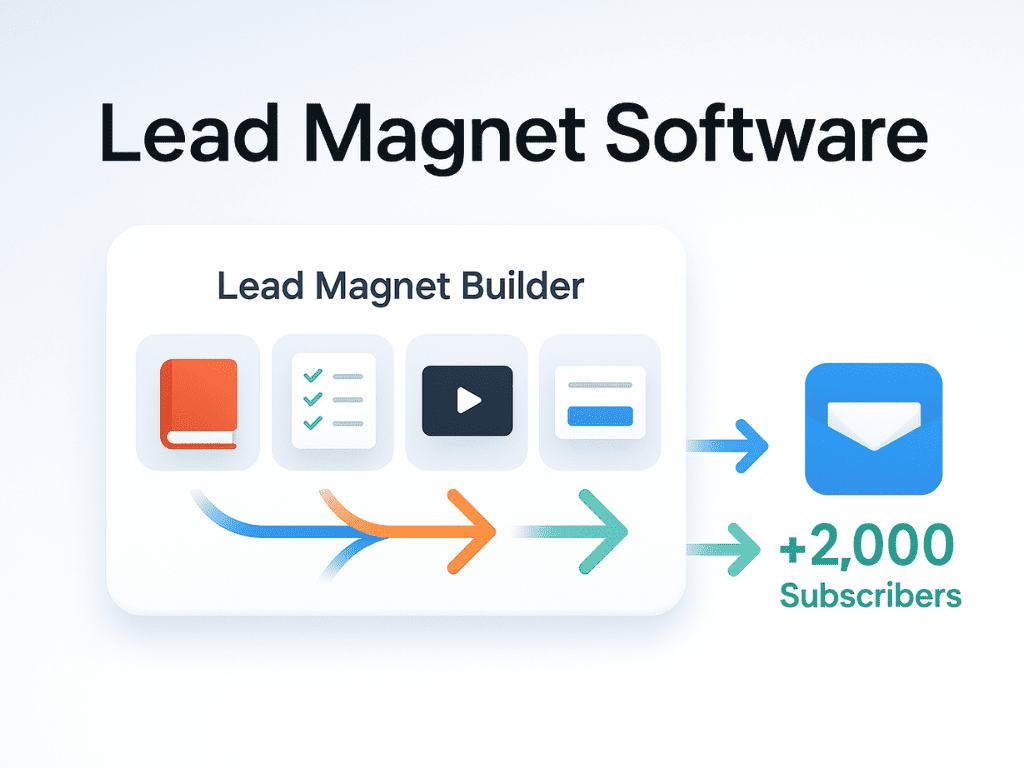
A lead magnet software is a digital tool that helps you create, deliver, and manage free offers designed to attract potential customers. These offers often checklists, guides, quizzes, or templates are exchanged for a visitor’s email address, giving you a direct way to build trust and grow your list.
Instead of spending hours designing assets or setting up delivery systems manually, a lead magnet software automates every step. You can build professional lead magnets, connect them to your email marketing platform, and deliver them instantly to subscribers all without coding or complex integrations.
Think of it as your lead-generation command center. It brings together the design, content, automation, and analytics tools you need to convert traffic into qualified leads. Some platforms even include AI-powered features that help you write headlines, structure templates, or personalize offers for different audiences.
In short, a lead magnet software isn’t just about creating freebies. It’s about systemizing audience growth transforming your ideas into assets that attract, segment, and nurture the right people automatically.
How a Lead Magnet Software Works
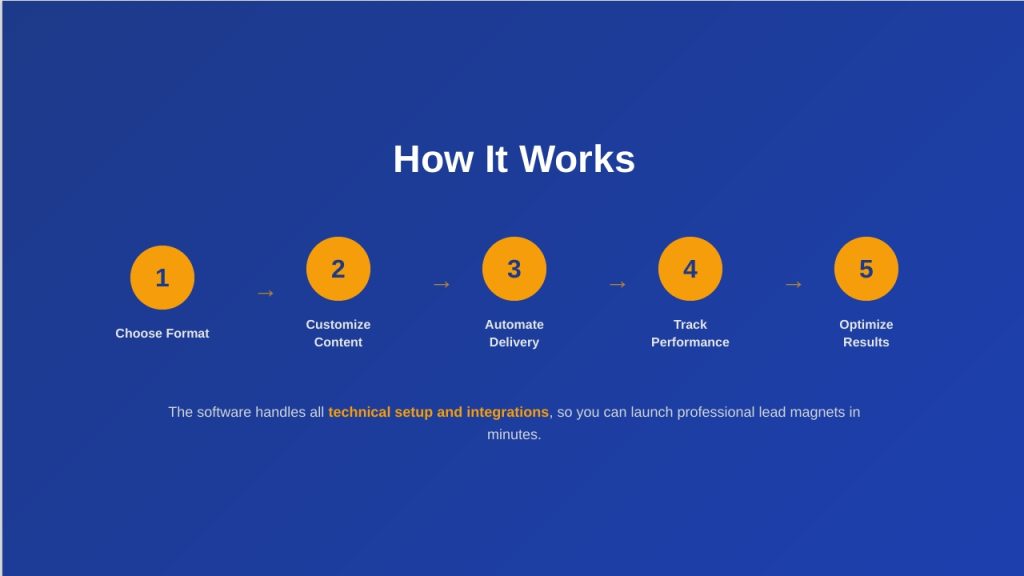
A lead magnet software simplifies the entire process of creating and managing lead magnets, guiding you step by step from idea to delivery. While features vary among platforms, most follow a clear, repeatable workflow that helps you launch professional offers fast and with minimal effort.
It typically starts with choosing a format. You select the type of lead magnet you want to create a checklist, template, quiz, mini-guide, or worksheet. Most tools offer ready-made templates to save time and ensure a polished design.
Next comes customization. You add your content, brand elements, and visuals. Drag-and-drop editors make this process intuitive, while built-in prompts help you craft engaging titles, calls to action, and layout choices that fit your message and audience.
Once your content is ready, the software handles automation and delivery. It connects to your email platform or CRM, automatically sending the lead magnet to every new subscriber. At the same time, it tags and segments leads so you can follow up with personalized emails and relevant offers.
Then comes tracking and optimization. Integrated analytics show you exactly how each lead magnet performs from download rates to conversion percentages helping you identify what’s working and where to improve. Some advanced tools even use AI to suggest changes or A/B test your headlines automatically.
In essence, a lead magnet software acts as both a creative studio and an automation engine. It removes guesswork, speeds up production, and ensures every new subscriber experiences a smooth, professional journey from click to conversion.
Benefits and Limitations of Using a Lead Magnet Software
A lead magnet software can completely change how you build and scale your email list, offering a faster, smarter, and more consistent approach to lead generation. Still, like any system, it comes with trade-offs. Understanding both sides helps you make the most of it and avoid common pitfalls.
The Benefits
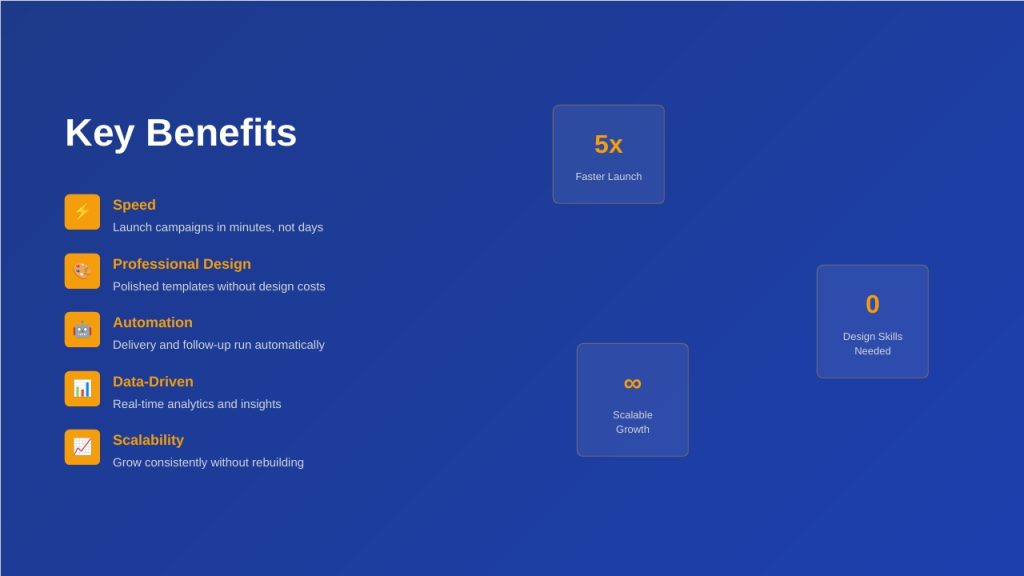
1. Speed and Efficiency
Creating a lead magnet no longer takes days of design and formatting. Most software tools let you build and launch in minutes using customizable templates, guided prompts, and ready-made layouts. The result: more campaigns, less delay, and a consistent flow of new leads.
2. Professional Design Without the Cost
Even if you’re not a designer, lead magnet software makes your resources look polished and on-brand. High-quality visuals increase trust and make your offer feel valuable, a subtle but powerful factor in conversion rates.
3. Automation That Saves You Time
Instead of manually sending files or follow-ups, automation takes care of everything. Each subscriber receives the right lead magnet instantly, is tagged in your CRM, and enters a tailored email sequence that nurtures them toward a purchase.
4. Data-Driven Insights
Most platforms include built-in analytics showing opt-in rates, engagement, and conversion performance. This data lets you test, iterate, and improve with confidence turning list growth into a predictable process rather than guesswork.
5. Scalability and Consistency
Once your system is built, it can run indefinitely. You can duplicate your best-performing lead magnets, adapt them for new offers, and expand your reach without rebuilding from scratch every time.
The Limitations
1. Dependence on Templates
Too much reliance on built-in templates can make your lead magnets feel generic. You still need strong strategy, audience insight, and messaging to make them stand out.
2. Subscription Costs
While some tools offer free versions, the most powerful features automation, integrations, and analytics often sit behind paid plans. For small businesses, these costs can add up.
3. Learning Curve
Even the best interfaces require a bit of setup and experimentation. Without understanding your funnel, integrations, or customer journey, it’s easy to underuse key features.
4. Not a Substitute for Value
No software can fix a weak offer. The tool amplifies what’s already there meaning your lead magnet must still solve a real problem and deliver tangible value for it to convert.
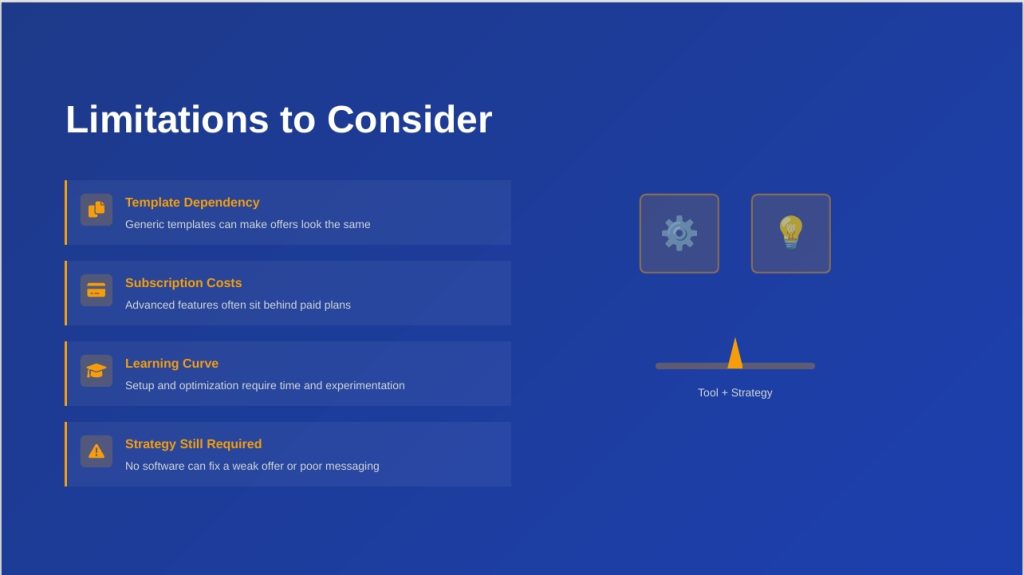
A lead magnet software is most effective when paired with solid strategy. It’s not a magic bullet, but when used thoughtfully, it gives you the systems, data, and speed to build a consistent lead pipeline something most manual approaches can’t match.
Platforms like ConvertKit (now Kit) highlight that audience segmentation and automated delivery are key drivers of performance, enabling creators to organize subscribers and deliver highly relevant content, a strategy that consistently achieves open rates above 40% and significantly improves conversion outcomes.
Ready to Create Your Next Lead Magnet in Minutes?
This generator streamlines your entire process so you can launch faster, test smarter, and convert more leads today.
How Businesses Use Lead Magnet Software to Drive Growth
The power of a lead magnet software comes alive when it’s applied strategically. Across industries, businesses are using these tools to automate lead generation, personalize engagement, and accelerate sales all while spending less time on repetitive tasks.
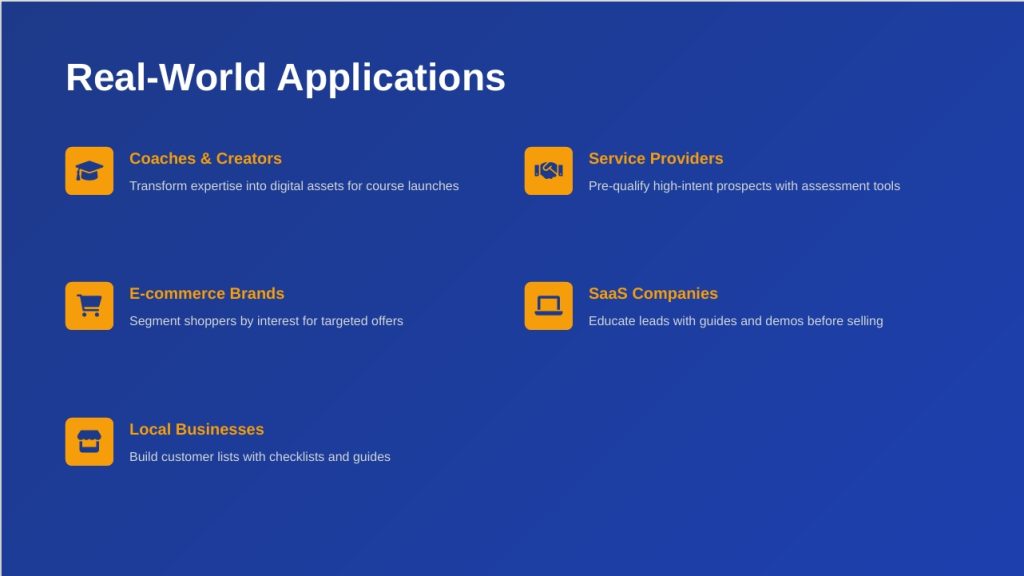
Coaches and course creators use lead magnet software to transform their expertise into digital assets. A short quiz, a mini-course, or a results checklist becomes the entry point to their paid programs. Automation handles delivery and follow-up, ensuring every new subscriber receives consistent, personalized communication that builds trust fast.
Service providers from consultants to agencies rely on these tools to pre-qualify clients. A downloadable audit template or interactive assessment helps identify high-intent prospects. Once a visitor opts in, the system triggers targeted email sequences and booking links, turning initial curiosity into scheduled consultations.
E-commerce brands apply lead magnet software to segment and convert shoppers more effectively. A product recommendation quiz or discount-based lead magnet captures intent data, automatically tagging users by interest. That data then powers tailored offers and follow-up campaigns that move buyers from browse to checkout seamlessly.
SaaS and tech businesses use it to educate before selling. Free templates, onboarding guides, or interactive demos attract leads who are already exploring a problem the software solves. Automated follow-ups deliver feature highlights and success stories, converting free users into paying customers.
Even local and small businesses are getting results. A real estate agent might use a lead magnet generator to deliver a “Home Buyer’s Checklist,” while an accountant offers a “Tax Prep Mini Guide.” The software collects emails, tracks engagement, and nurtures leads through a sequence that ends in a personal appointment.
Across all these examples, one pattern holds true: the best results come from pairing technology with strategy. The software builds efficiency, but it’s the focus on value, clarity, and relevance that turns automation into revenue.
Common Mistakes People Make With Lead Magnet Software
Even the best software can’t fix a weak strategy. Many businesses invest in lead magnet tools but fail to get consistent results because they misunderstand what the software is meant to do. Avoiding these common mistakes can mean the difference between a system that scales and one that stalls.
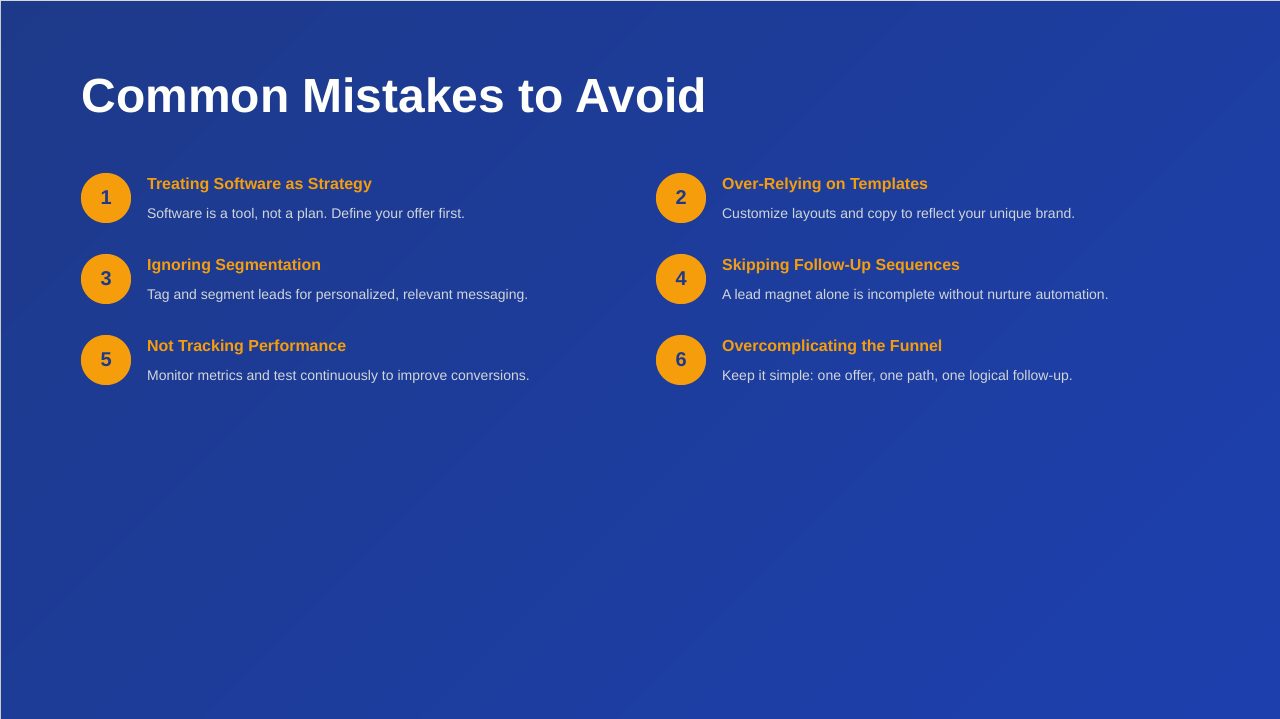
1. Treating software as strategy.
Lead magnet software is a tool, not a plan. Some users expect instant leads after setup, but without a clear offer and target audience, no automation can save it. Start with a well-defined problem your lead magnet solves, then let the software handle the execution.
2. Relying too heavily on templates.
Pre-built templates are convenient, but when everyone uses them without customization, everything looks the same. Take time to adjust layouts, rewrite copy, and add unique visuals so your lead magnets reflect your brand, not the platform’s defaults.
3. Ignoring audience segmentation.
Lead magnet software offers tagging and personalization features for a reason. Failing to segment your leads means everyone gets the same message, and conversions drop fast. Segment by interest, behavior, or funnel stage to create experiences that feel personal and relevant.
4. Skipping follow-up sequences.
A lead magnet without an automated nurture series is a dead end. Many users forget that capturing an email is only the first step. Use automation to deliver helpful, sequential content that builds trust and guides your leads toward the next logical offer.
5. Not tracking performance data.
Without monitoring opt-in rates or engagement metrics, you can’t know what’s working. Modern software provides detailed analytics, use them. Regularly test your headlines, formats, and CTAs to continuously improve conversion performance.
6. Overcomplicating the funnel.
Too many moving parts can break automation and overwhelm users. Keep your setup simple: one clear offer, one clean delivery path, one logical follow-up. Simplicity scales faster than complexity.
Every one of these mistakes comes down to the same principle: technology amplifies the strategy behind it. When your message is clear and your system is intentional, a lead magnet software becomes a growth engine, not just another tool.
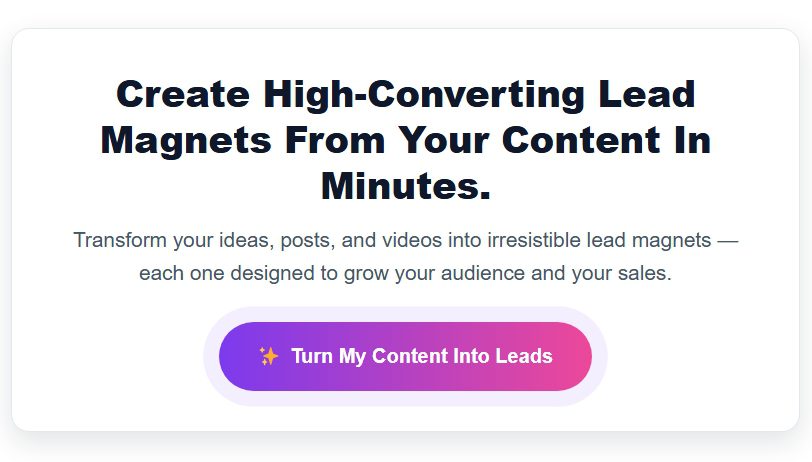
Create High-Converting Lead Magnets In Minutes.
Transform your ideas, posts, and videos into irresistible lead magnets — each one designed to grow your audience and your sales.
How to Scale and Optimize Your Lead Magnet System
Once your lead magnet system starts producing consistent results, the next step isn’t to create more magnets, it’s to optimize and amplify what already works. The right approach turns a simple automation setup into a growth engine that runs predictably and efficiently.
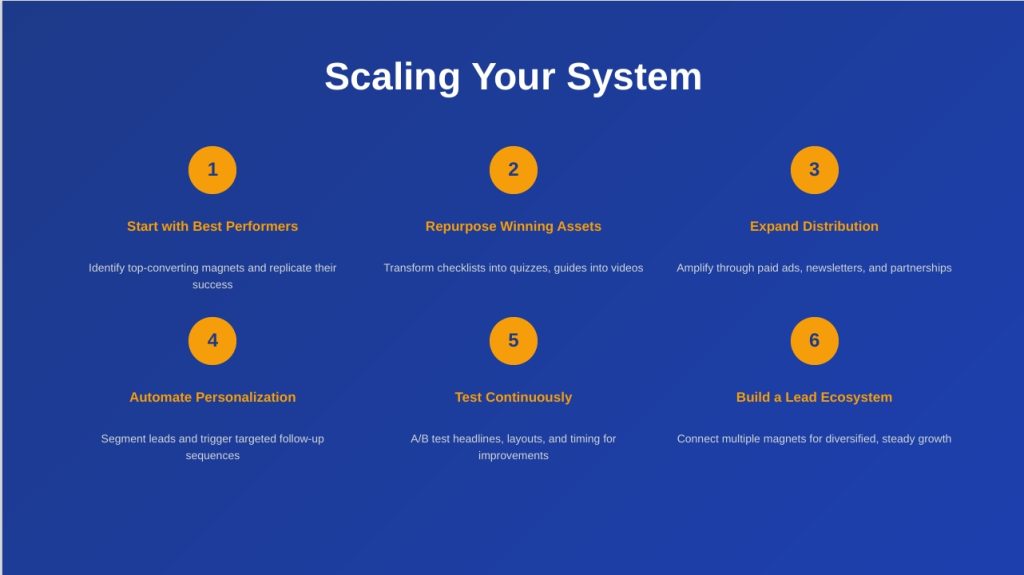
1. Start with your best performer.
Identify the lead magnet with the highest conversion rate or the most engaged audience. Use your software’s analytics to pinpoint what makes it successful, headline, offer type, or format then replicate that model across new channels or audiences.
2. Repurpose your winning assets.
Scaling doesn’t always mean starting fresh. Turn a high-performing checklist into an interactive quiz, a mini-guide into a live workshop, or a resource list into a short video series. Lead magnet software makes this easy by letting you clone and modify existing campaigns fast.
3. Expand distribution strategically.
Once you have a proven magnet, amplify it. Use paid traffic on platforms like Meta, Google, or LinkedIn, promote it in newsletters, or collaborate with partners who serve your same audience. Each new distribution point should link back to your automated delivery system for seamless scaling.
4. Automate deeper personalization.
Go beyond basic email sequences. Segment your leads based on engagement behavior and tailor follow-up offers automatically. Many lead magnet software tools integrate with CRMs, letting you trigger specific actions like sending a demo invite or limited-time bonus based on user activity.
5. Refine with continuous testing.
Optimization is an ongoing process. Test headlines, layouts, and timing. Even small improvements to click-through or conversion rates compound over time. Keep track of your winning variations inside the software, and make data-based decisions for future campaigns.
6. Build a lead ecosystem, not a single funnel.
Long-term growth comes from connecting multiple lead magnets into a cohesive ecosystem. Each asset addresses a different problem or audience segment but feeds into the same overarching system. This creates a steady, diversified flow of qualified leads that never depends on one offer alone.
Scaling with a lead magnet software isn’t about working harder, it’s about building smarter. When your automation, analytics, and content all work together, your business gains momentum that’s sustainable, measurable, and ready to grow on demand.
OptinMonster case studies show that adding a well-targeted lead magnet to an on-site popup can increase conversion rates by 100% to 155%, proving that an integrated, multi-point capture system dramatically outperforms a standalone landing page.

Conclusion
Lead generation no longer depends on guesswork or endless manual effort. With a lead magnet software, you turn content into a system one that builds trust, captures attention, and converts leads automatically.
The real advantage isn’t the technology itself, but what it enables: speed, precision, and the ability to deliver value at scale. Whether you’re a solopreneur, a growing startup, or an established business, automation levels the playing field. You no longer need a full marketing team to build professional assets or track complex funnels.
Success comes from combining three elements:
- A clear offer that solves a specific problem.
- A reliable system that delivers that offer seamlessly.
- A commitment to optimize based on what the data shows.
Get those right, and your lead magnet software becomes more than a tool it becomes an engine of predictable growth. Every new subscriber enters an ecosystem designed to nurture, educate, and convert without pressure or wasted effort.
While others chase attention, you’ll be building leverage. While they burn hours managing tech, you’ll be scaling your list on autopilot.
Now you know how the best businesses do it. The next step is simple: take one proven idea, build it with your software, and let the system show you what’s possible.
Frequently Asked Questions (FAQs)
What exactly does a lead magnet software do?
A lead magnet software helps you create, deliver, and automate free resources that attract potential customers. It manages design, distribution, and data tracking so you can capture leads efficiently without juggling multiple tools or platforms.
Do I need technical or design experience to use it?
No. Most lead magnet software tools include intuitive drag-and-drop builders and ready-made templates. You can build professional lead magnets and landing pages quickly, even if you’ve never worked with design or code before.
What kinds of lead magnets can I create?
You can create checklists, eBooks, templates, quizzes, mini-courses, guides, or interactive assets. Many platforms let you mix formats or duplicate existing designs to save time while maintaining a consistent look and feel.
How much does a lead magnet software cost?
Pricing varies depending on features. Entry-level plans often start free or under $30 per month, while advanced systems with automation and analytics range from $50 to $150 per month. The investment usually pays off through higher-quality leads and conversion efficiency.
Can lead magnet software integrate with my email platform or CRM?
Yes. Most tools integrate directly with popular email services and CRM systems. This connection automates the delivery of your lead magnets, tags new subscribers, and triggers follow-up sequences for seamless nurturing.
What’s the biggest mistake people make when using one?
The most common mistake is relying on the software alone without a clear strategy. The tool amplifies your message but you still need a specific audience, a compelling offer, and valuable content for it to work effectively.